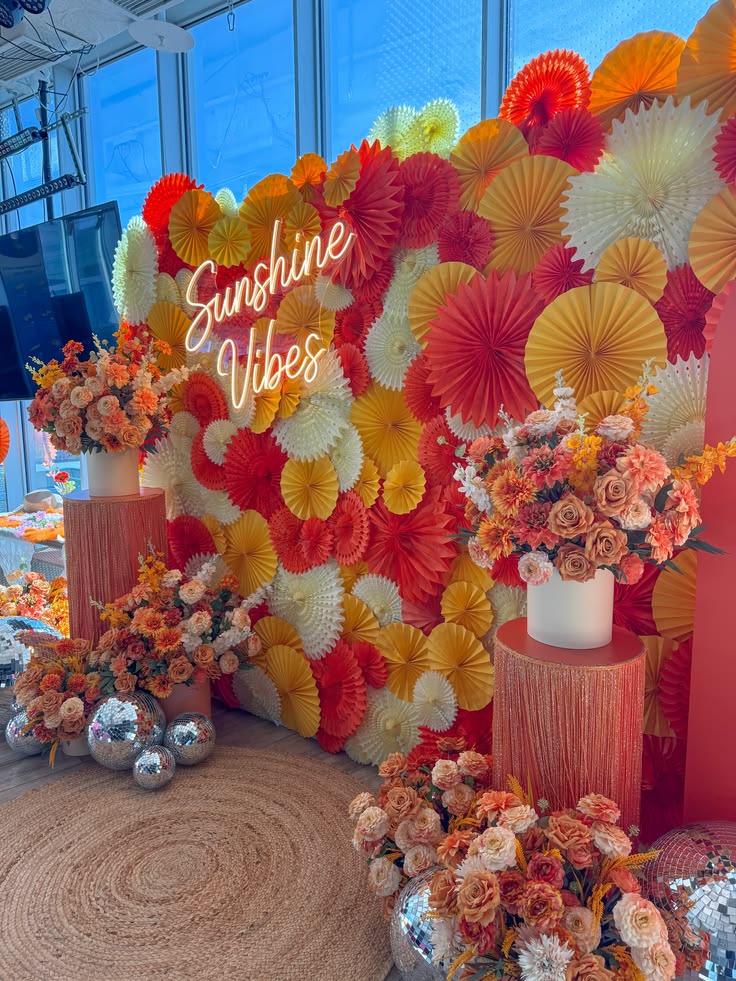
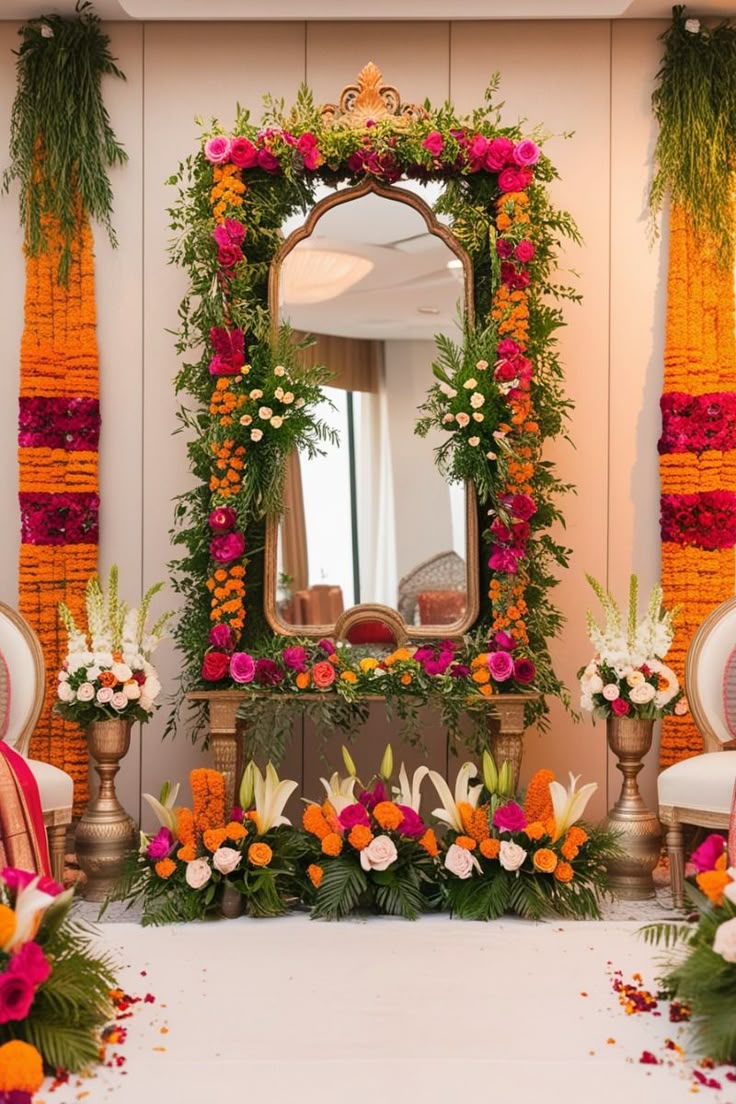
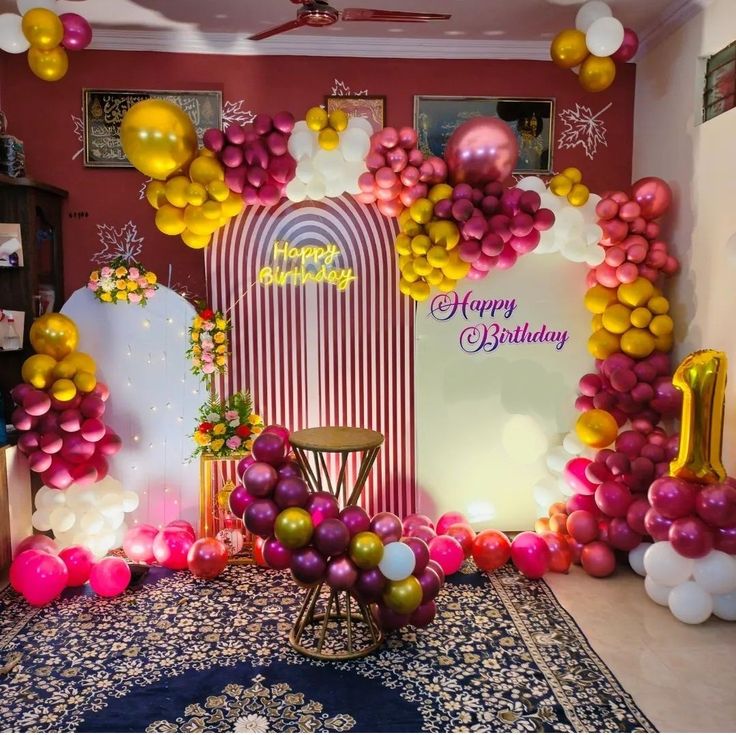
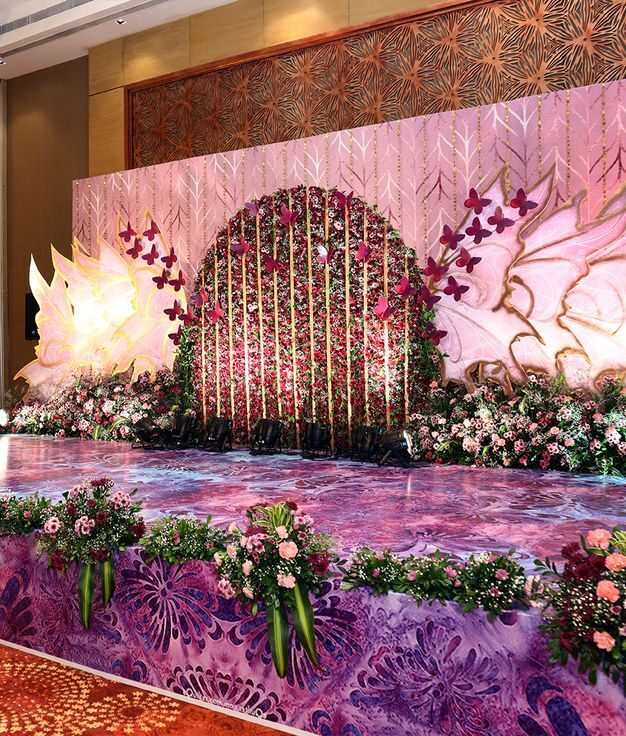
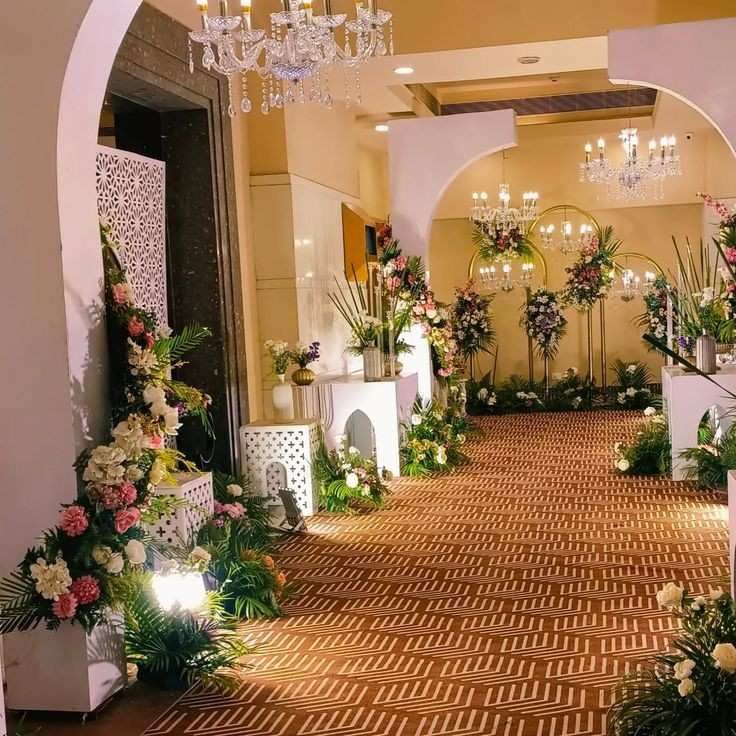
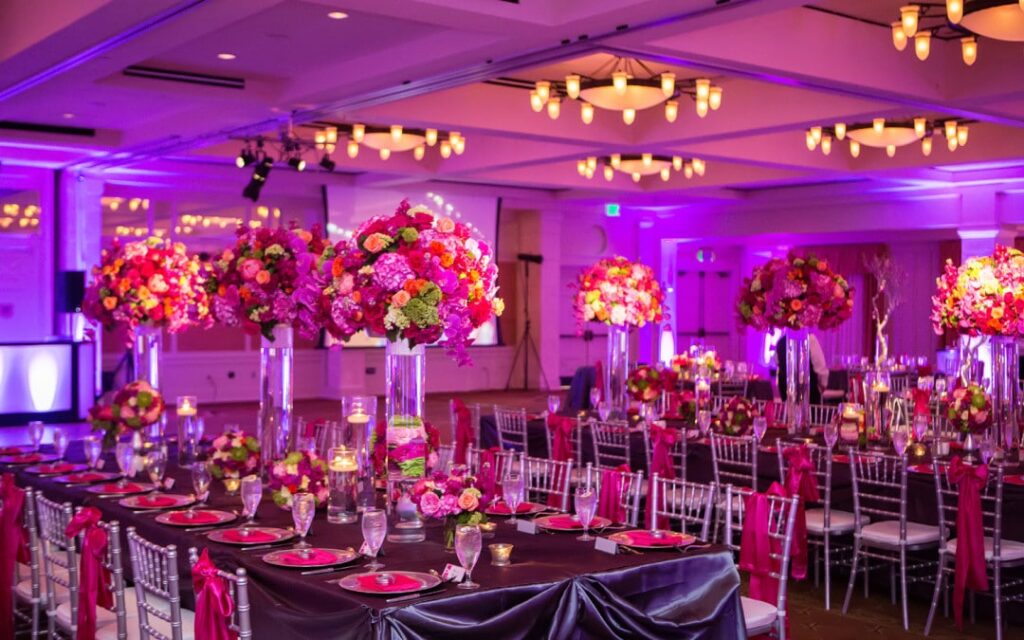
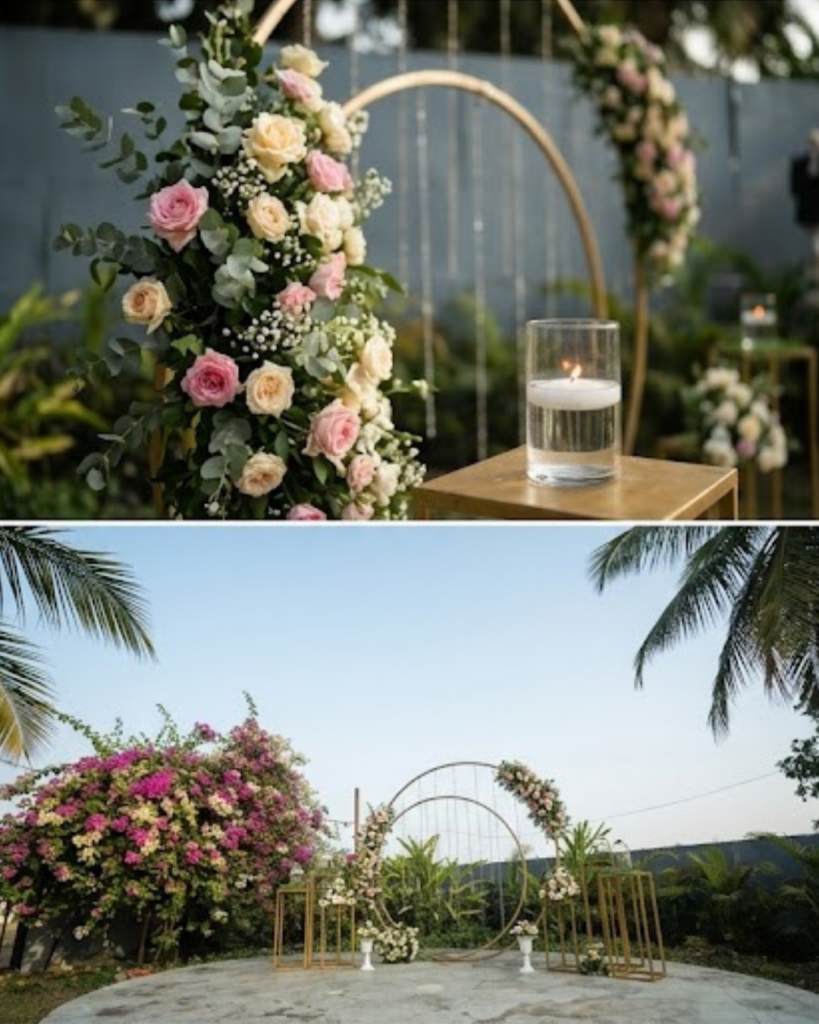
Wedding lighting does more than brighten a venue. In fact, it can influence the mood, photographs, guest experience, and overall appearance of the décor. While extremely bright lighting may seem practical, layered lighting at weddings often creates a warmer and more sophisticated atmosphere.
Instead of using one strong light source, layered lighting combines several types of illumination. For example, ambient lights can provide a soft base, while decorative lights highlight important areas. Moreover, focused lighting can draw attention to the stage, entrance, dining area, or wedding aisle. As a result, the venue feels more balanced and visually interesting.
The Problem With Excessively Bright Wedding Lighting
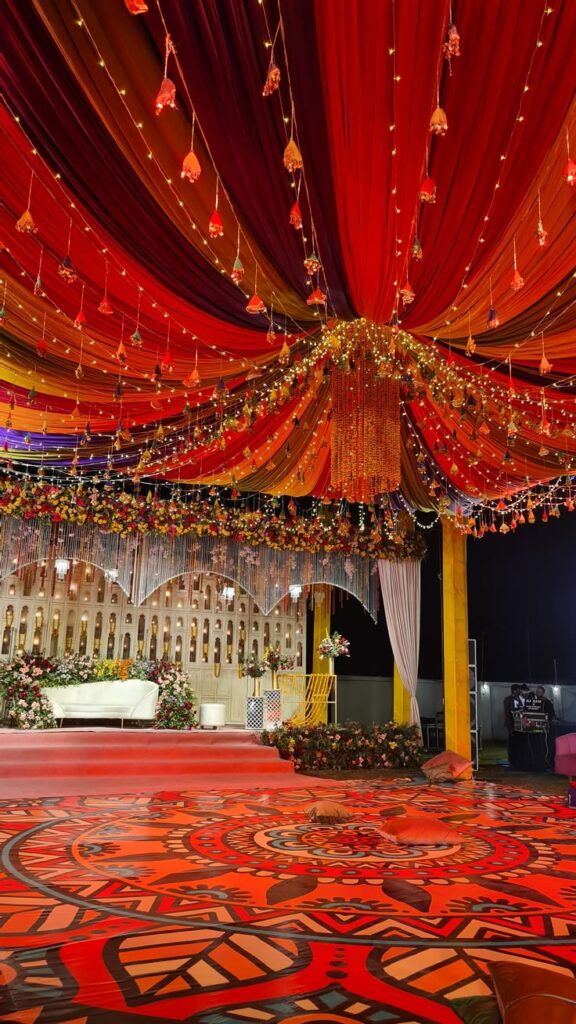
Bright lighting can make a wedding venue look flat. Although strong lights provide excellent visibility, they can remove the shadows and depth that make décor details stand out. Furthermore, harsh lighting may create unwanted reflections on fabrics, flowers, glass, and metallic decorations.
Photography can also be affected. For instance, overly bright lights can produce sharp shadows on faces and reduce the soft, romantic feeling many couples want in their wedding photographs. Therefore, lighting should be planned according to the mood and purpose of each space.
A well-planned lighting design, however, allows different areas to have different levels of brightness. Consequently, the venue feels comfortable while important decorative elements remain noticeable.
How Layered Lighting at Weddings Creates Depth
Layered lighting uses multiple sources to create visual depth. Generally, it can include three main levels: ambient lighting, accent lighting, and decorative lighting.
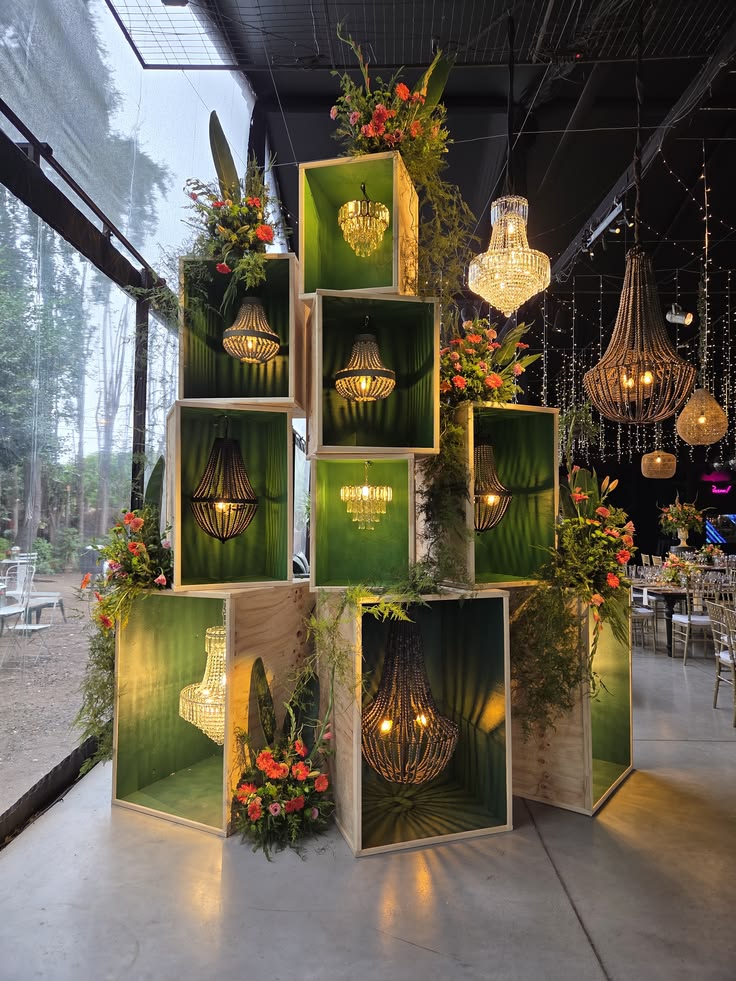
Ambient lighting provides the basic illumination throughout the venue. Next, accent lighting focuses on selected areas such as the mandap, stage, floral arrangements, or couple’s seating. Finally, decorative lighting adds character through fairy lights, hanging lamps, candles, LED fixtures, or illuminated backdrops.
Because these layers work together, the venue does not depend on one powerful light source. Instead, every layer serves a specific purpose. Additionally, different lighting levels can be adjusted throughout the celebration.
For example, softer lighting may suit a daytime ceremony, whereas warmer accent lights can create a cozy evening reception. Thus, the lighting design can support the changing atmosphere of the wedding.
Better Lighting Means Better Wedding Photos
Wedding photography depends heavily on light. Therefore, balanced lighting can help photographers capture details more naturally.
Soft ambient illumination can reduce harsh facial shadows. Meanwhile, accent lighting can highlight floral arrangements, stage décor, and architectural features. Furthermore, decorative lights can create attractive background details without overpowering the couple.
This approach also helps photographs look more dimensional. Instead of having the entire venue equally bright, different areas can have subtle variations in brightness. As a result, the photographs often feel richer and more atmospheric.
Lighting Can Guide the Guest Experience
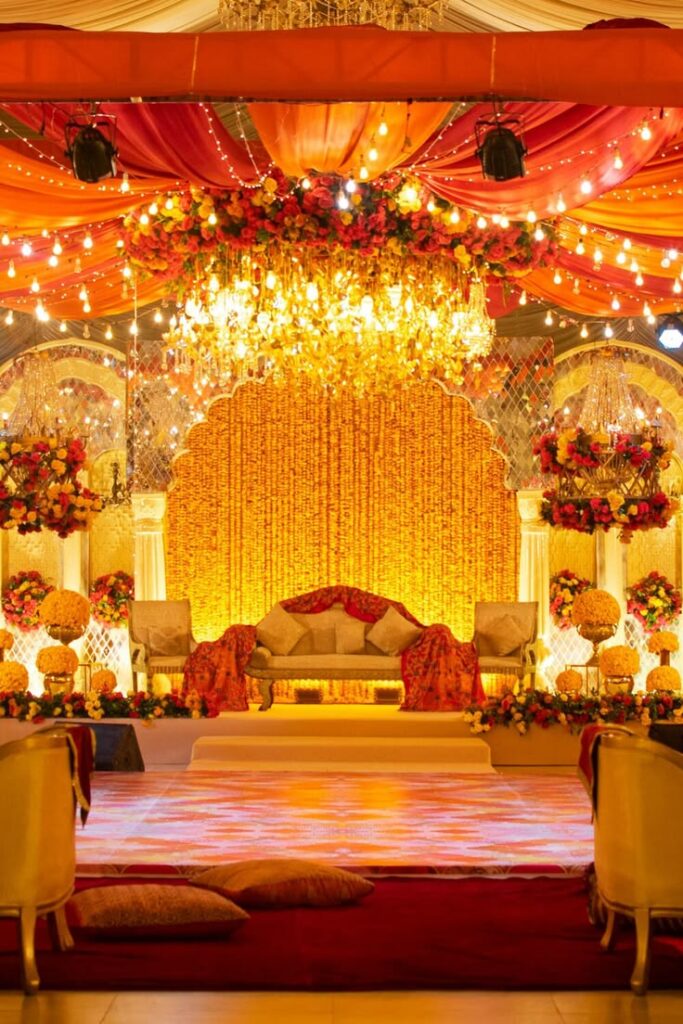
Lighting can also help guests understand the flow of a wedding venue. For example, brighter pathways can guide guests toward the entrance, dining area, or seating zones. Meanwhile, softer decorative lights can create intimate corners for conversations and photographs.
Similarly, the stage can receive focused illumination so that it naturally becomes a visual focal point. At the same time, surrounding areas can remain slightly softer. Therefore, guests can enjoy the décor without feeling surrounded by excessive brightness.
Why Oikar Events Chooses Balanced Lighting
At Oikar Events, lighting is considered an important part of wedding decoration rather than an afterthought. Our approach focuses on combining practical illumination with decorative details so that the venue feels inviting and well coordinated.
Moreover, lighting choices can be planned according to the wedding theme, venue size, décor style, time of day, and celebration format. Whether the setting is traditional, contemporary, intimate, or grand, balanced lighting can help every decorative element receive the right amount of attention.
Ultimately, great wedding lighting is not about making everything brighter. Instead, it is about knowing where light is needed, how much is needed, and how different sources can work together.
Frequently Asked Questions
Is layered lighting better than bright lighting for weddings?
Yes. Layered lighting generally creates more depth, comfort, and visual balance than using one extremely bright light source.
What types of lights are used in layered wedding lighting?
Common options include ambient lights, spotlights, fairy lights, pendant fixtures, candles, LED lighting, and decorative lamps.
Does layered lighting improve wedding photography?
Yes. Balanced lighting can reduce harsh shadows and help decorative details, backgrounds, and portraits appear more natural.
Can lighting change during different wedding functions?
Yes. Lighting levels and colors can be adjusted according to ceremonies, receptions, dinner, speeches, and other parts of the celebration.
Does Oikar Events provide wedding lighting and decoration?
Yes. Oikar Events provides wedding decoration solutions that can include coordinated lighting, stage décor, entrance styling, floral arrangements, and other decorative elements.