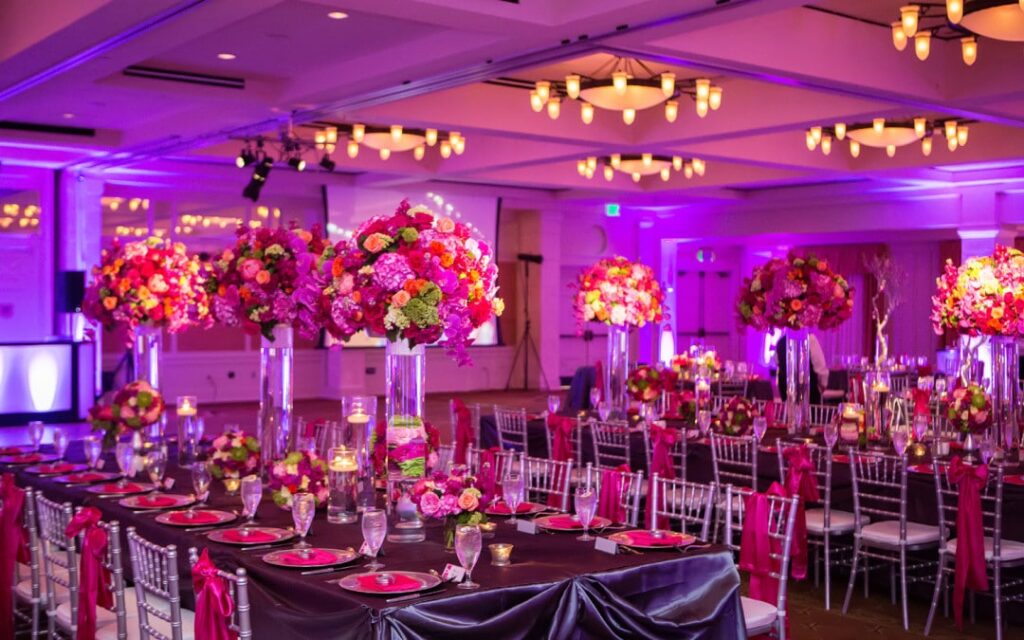
A successful Corporate Event Planning Guide helps businesses organize professional events that achieve clear objectives and create positive experiences for attendees. Whether you are planning a conference, product launch, networking session, or employee appreciation program, following a structured Corporate Event Planning Guide can improve coordination, budget management, and event outcomes. Therefore, businesses that plan carefully often achieve better engagement and stronger results.
At Oikar Events, we understand that every business gathering has unique requirements. Consequently, a well-planned strategy helps reduce challenges and ensures smooth execution from start to finish.
Start with Clear Event Objectives
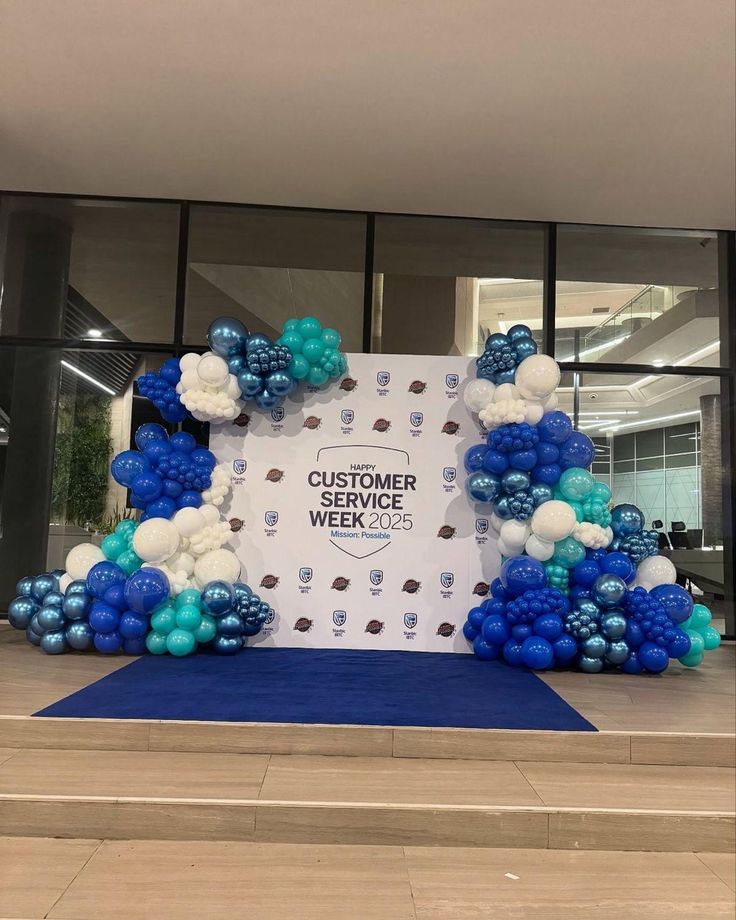
Before selecting a venue or sending invitations, define the purpose of your event. For example, you may want to strengthen client relationships, introduce a new service, or motivate employees.
Once you establish clear objectives, every planning decision becomes easier. Additionally, measurable goals help you evaluate the event’s success afterward.
Create a Practical Budget Plan
Budgeting is one of the most important parts of event planning. First, list all expected expenses, including venue costs, catering, audiovisual equipment, decorations, entertainment, and staffing.
Furthermore, keep a contingency fund for unexpected expenses. This approach helps maintain financial control while reducing stress during execution.
Choosing the Right Venue for Your Event
The venue significantly influences the overall experience. Therefore, consider factors such as location, accessibility, parking availability, seating capacity, and technical facilities.
Moreover, visit the venue before confirming your booking. A site inspection allows you to identify potential issues and make informed decisions.
Building a Strong Corporate Event Timeline
A detailed timeline keeps every task on track. Start planning several weeks or months in advance, depending on the event size.
Include milestones such as:
- Venue confirmation
- Vendor selection
- Invitation distribution
- Registration management
- Event rehearsals
- Final setup checks
As a result, your team can monitor progress and avoid unnecessary delays.
Managing Vendors and Event Partners
Reliable vendors contribute directly to event success. Therefore, choose experienced partners for catering, photography, audiovisual support, and entertainment.
In addition, maintain regular communication with every vendor. Clear expectations help prevent misunderstandings and improve coordination on the event day.
Guest Experience and Engagement Strategies
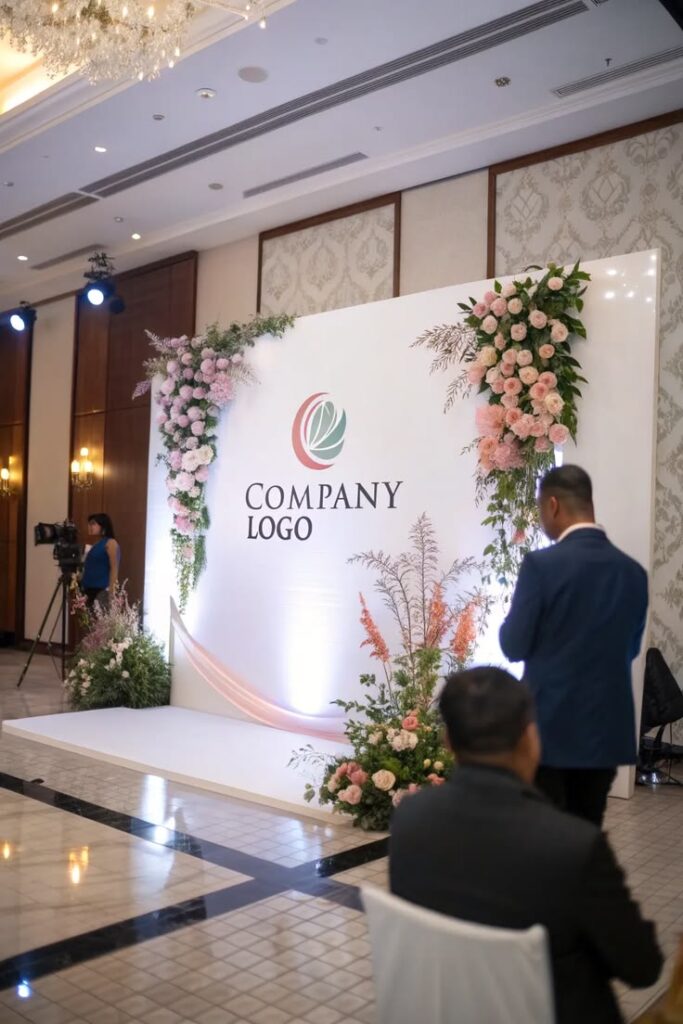
Guest satisfaction should remain a priority throughout the planning process. From registration to event conclusion, every interaction influences the overall impression.
For instance, provide clear directions, comfortable seating, quality refreshments, and engaging activities. Meanwhile, interactive sessions encourage participation and keep attendees involved.
Event-Day Coordination Essentials
Even with detailed preparation, event-day management requires constant attention. Assign responsibilities to team members and establish a communication system.
Meanwhile, monitor schedules, vendor activities, guest arrivals, and technical arrangements. Quick problem-solving ensures the event continues smoothly if unexpected situations arise.
Measuring Event Success After Completion of Corporate Event Planning
Once the event concludes, gather feedback from attendees, clients, and team members. Surveys and direct conversations can provide valuable insights.
Furthermore, compare results against your original objectives. This evaluation helps identify strengths and areas for improvement in future events.
Why Businesses Choose Oikar Events
Oikar Events specializes in planning and managing corporate gatherings with attention to detail and professional coordination. From conferences and product launches to employee engagement programs and business celebrations, our team focuses on creating organized and memorable experiences that align with your company’s objectives.
Frequently Asked Questions
How far in advance should a corporate event planning?
Most corporate events should be planned at least 2–6 months in advance. Larger conferences may require additional preparation time.
What is the most important factor in corporate event planning?
Clear objectives are essential because they guide budgeting, venue selection, and overall event strategy.
How can companies control event costs?
Companies can control costs by creating detailed budgets, comparing vendor quotations, and maintaining a contingency reserve.
Why is guest engagement important at corporate event planning?
Engaged attendees are more likely to participate, network effectively, and leave with a positive impression of the event.
Does Oikar Events manage complete corporate event planning?
Yes. Oikar Events assists with planning, coordination, vendor management, logistics, and execution for various corporate events.