Planning a corporate event requires attention to detail, strong coordination, and clear goals. Whether you are organizing a product launch, annual meeting, conference, team celebration, or client gathering, a structured approach helps avoid costly mistakes. Therefore, using a corporate event planning checklist can make the entire process smoother and more efficient.
At Oikar Events, we understand that successful events are built through careful preparation. Moreover, a well-planned event creates positive experiences for attendees while supporting business objectives.
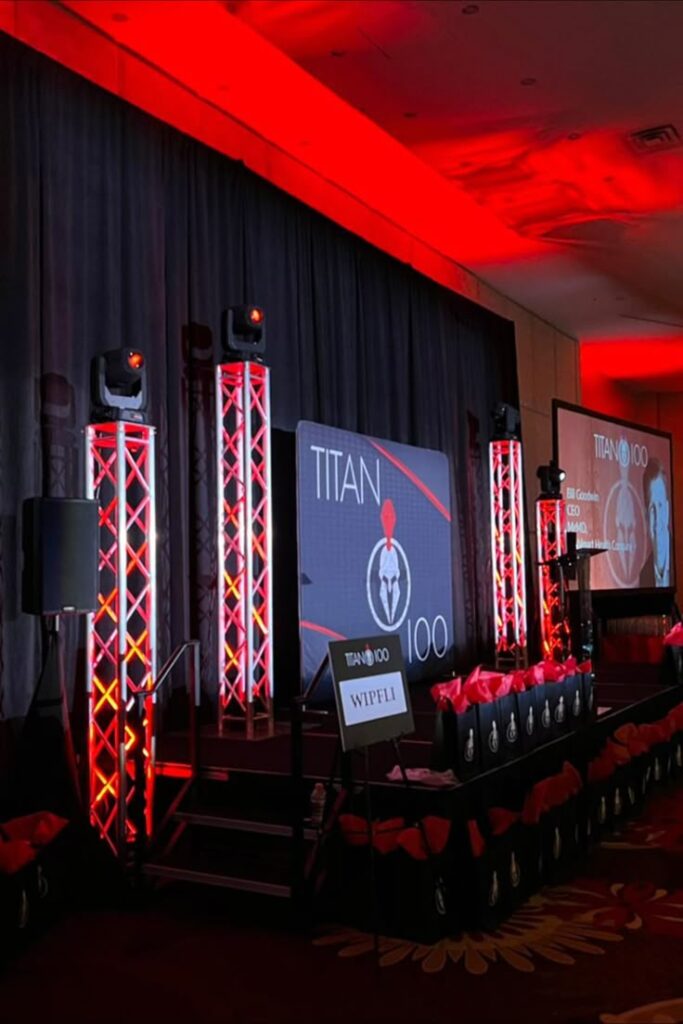
Start With Clear Event Goals
Before booking a venue or contacting vendors, define the purpose of the event. For example, your goal may be employee engagement, brand awareness, networking, training, or client appreciation.
Additionally, identify measurable outcomes. This step helps every planning decision stay aligned with the event’s purpose. As a result, resources are used more effectively and unnecessary expenses are avoided.
Budget Planning and Resource Allocation
A realistic budget forms the foundation of every successful event. Therefore, create a detailed budget that includes venue costs, catering, entertainment, technology, branding materials, transportation, and contingency expenses.
Furthermore, track spending regularly throughout the planning process. This approach allows organizers to make adjustments before costs exceed expectations.
Choosing the Right Venue and Date
The venue significantly influences the guest experience. Consequently, select a location that matches the event size, audience profile, and objectives.
While evaluating venues, consider parking, accessibility, seating arrangements, internet connectivity, and technical support. Meanwhile, choose a date that does not conflict with major holidays or industry events.
Early venue booking often provides greater flexibility and better pricing options.
Guest Management Made Simple
Creating a guest list should begin as early as possible. After that, send invitations with clear event details and registration instructions.
Moreover, use digital RSVP systems to track responses efficiently. Regular communication keeps attendees informed and reduces last-minute confusion. As attendance numbers become clearer, planning for seating, catering, and logistics becomes easier.
Vendor Coordination and Event Logistics
Reliable vendors contribute significantly to event success. Therefore, confirm agreements with caterers, decorators, audiovisual teams, photographers, and transportation providers well in advance.
In addition, maintain a timeline that outlines every deliverable and deadline. Regular follow-ups help ensure that all vendors remain aligned with the event schedule.
A detailed logistics plan should also cover registration, guest flow, security, and emergency procedures.
Creating an Engaging Event Experience
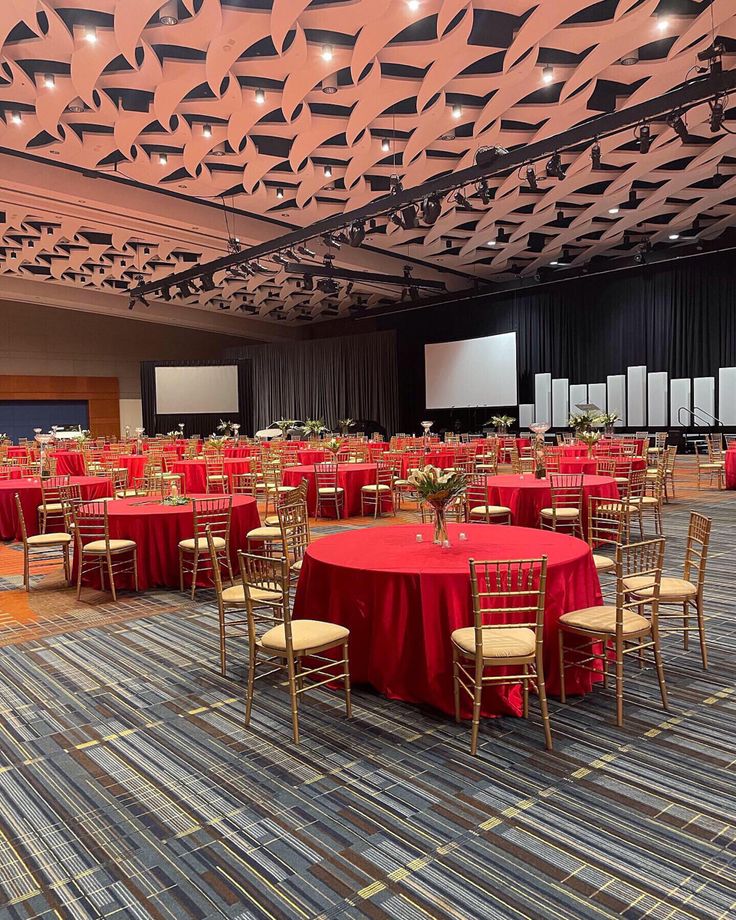
A corporate event should provide value to attendees. Therefore, design an agenda that balances information, interaction, and networking opportunities.
For instance, keynote sessions, panel discussions, live demonstrations, and team activities can maintain audience interest. Furthermore, branded experiences help strengthen business identity and leave a lasting impression.
Thoughtful engagement often encourages stronger participation and positive feedback.
Final Review Before Corporate Event Planning
Conduct a complete review several days before the event. Check vendor confirmations, attendee numbers, equipment requirements, signage, and presentation materials.
Additionally, assign responsibilities to team members and create a communication plan. A final walkthrough helps identify potential issues before guests arrive.
On the event day, having a dedicated coordination team ensures smooth execution from start to finish.
Why Professional Event Planning Matters for Corporate Event Planning
Corporate events represent your organization in front of employees, partners, and clients. Therefore, professional planning plays a crucial role in delivering a seamless experience.
At Oikar Events, we manage every stage of event planning with precision and creativity. From concept development to on-site coordination, our team focuses on creating organized and memorable business events that support your goals.
Frequently Asked Questions
What is a corporate event planning checklist?
A corporate event planning checklist is a structured guide that helps organizers manage budgeting, venue selection, guest management, vendors, logistics, and event execution.
How far in advance should a corporate event be planned?
Most corporate events should be planned at least two to six months in advance, depending on the event size and complexity.
Why is budgeting important in corporate event planning?
A budget helps control costs, allocate resources efficiently, and avoid unexpected expenses during the planning process.
What are the most important elements of a corporate event?
The key elements include clear objectives, suitable venue selection, guest management, vendor coordination, engaging content, and smooth logistics.
Why choose Oikar Events for corporate event planning?
Oikar Events offers end-to-end event planning services, experienced coordination, creative execution, and reliable management for successful corporate gatherings.