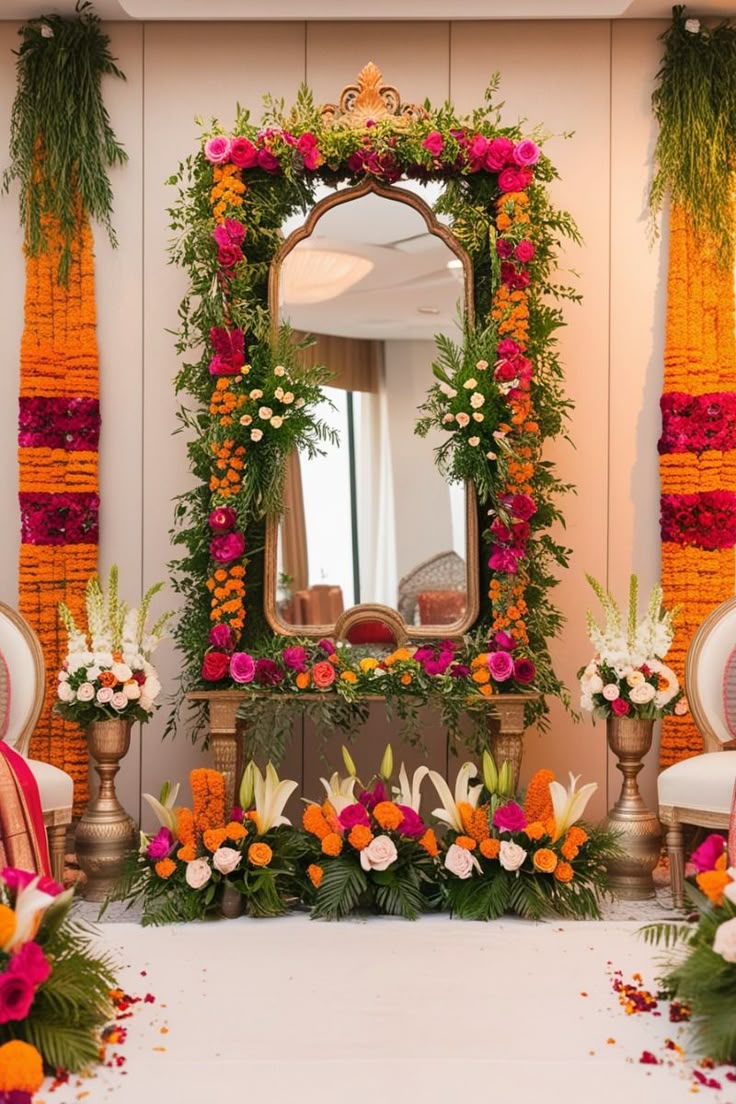
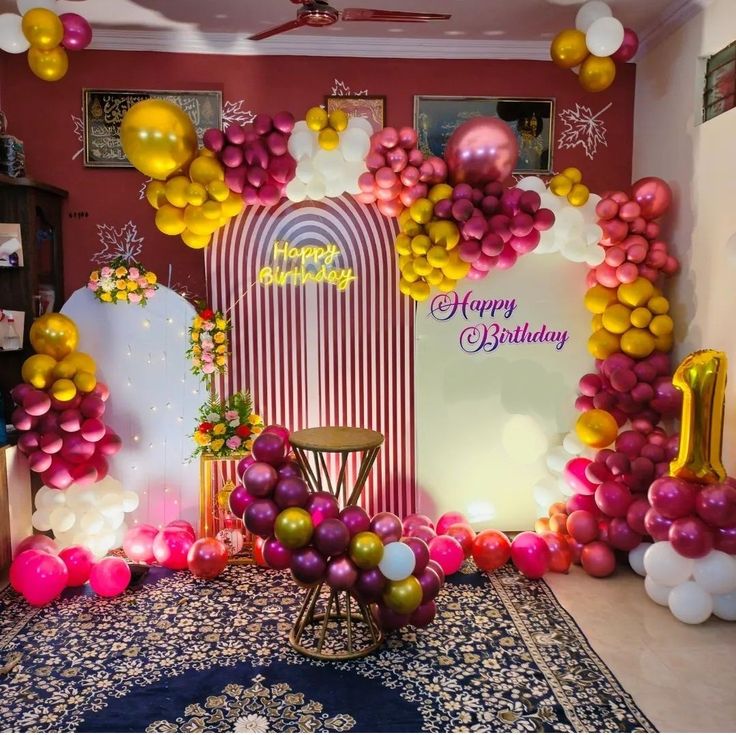
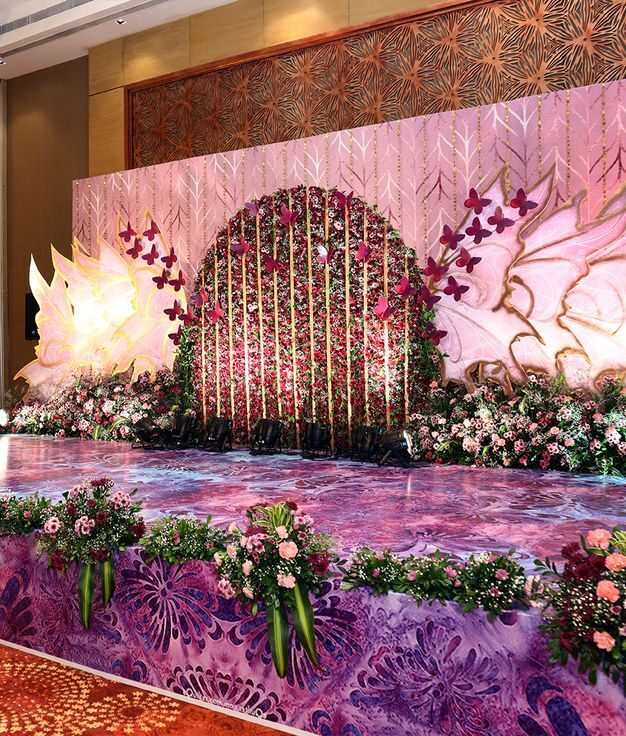
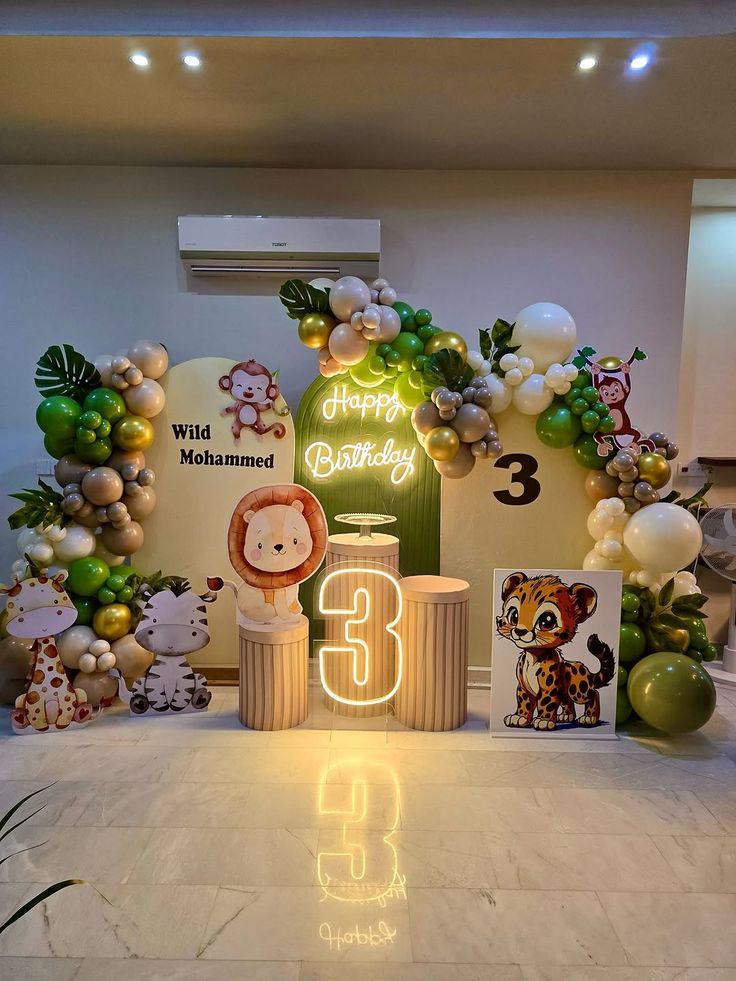
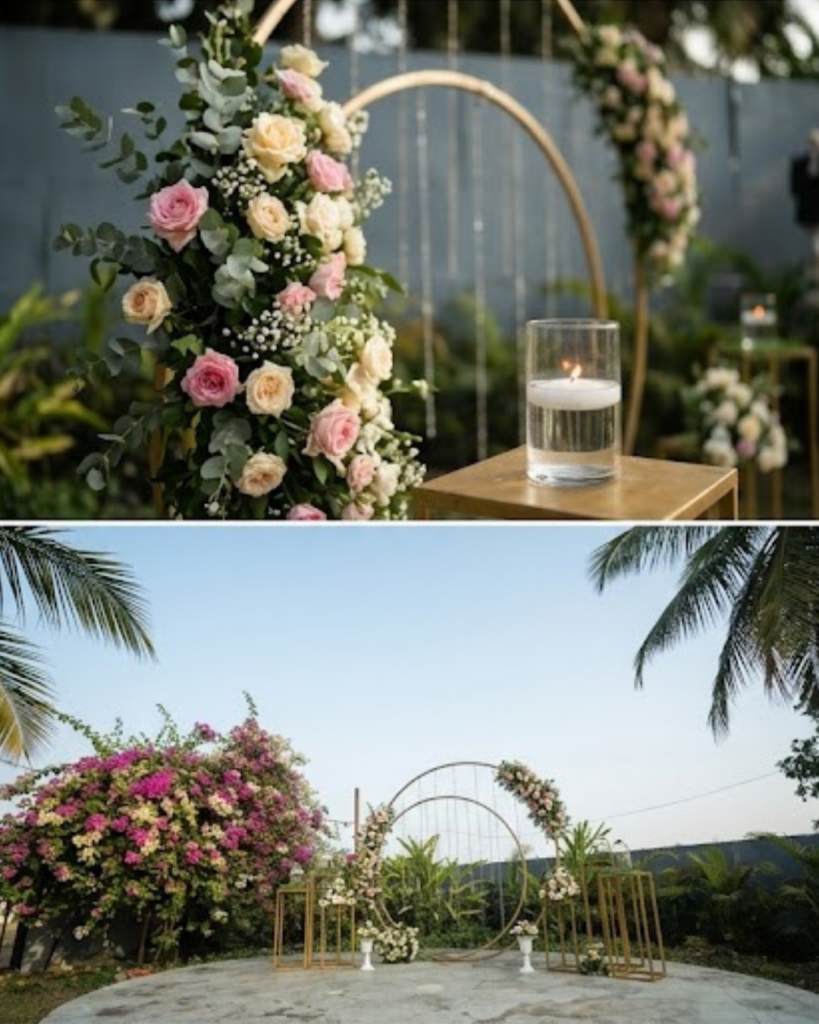
Budget mistakes to avoid when planning an event are often overlooked until unexpected expenses begin to appear. Whether you are arranging a corporate gathering, wedding, private party, product launch, or social celebration, a clear budget can prevent unnecessary stress. However, many organisers focus on décor, catering, or entertainment first and calculate the complete cost later. Therefore, planning expenses from the beginning helps keep spending under control while maintaining a memorable guest experience. At Oikar Events, we believe practical budgeting is an important part of creating a smooth and well-organised event.
Why Event Budgets Go Wrong
First, many organisers begin by booking attractive services before calculating the complete budget. As a result, essential costs can be overlooked. Venue charges, décor, catering, entertainment, lighting, transportation, staffing, and taxes may all affect the final amount. Therefore, create a complete expense list before confirming any major booking.
Another common mistake is copying someone else’s event budget. Although another event may look similar, its guest count, venue, theme, menu, and production needs can be very different. Instead, build your budget around your own event goals and priorities.
Hidden Event Budget Planning to Watch
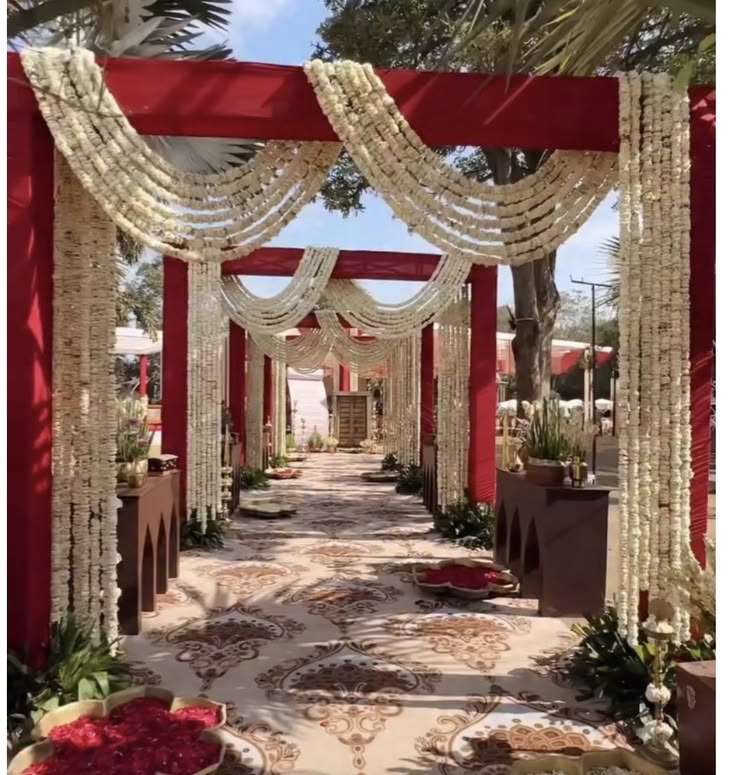
Moreover, small expenses can become large when they are added together. Delivery charges, setup fees, overtime, service charges, last-minute purchases, and extra equipment can push spending beyond the original plan. For this reason, keep a contingency fund of around 10% to 15% for unexpected requirements.
Similarly, always ask vendors for a detailed quotation. Otherwise, an attractive starting price may not include installation, transportation, taxes, or additional staff. At Oikar Events, clear planning helps clients understand where their event budget is being allocated.
Smart Event Budget Planning Tips
Furthermore, spending too much on one feature can leave other important areas underfunded. For example, a lavish stage may look impressive, but guests may still remember poor food, uncomfortable seating, weak lighting, or confusing arrangements. Instead, divide the budget according to guest comfort, event purpose, and visual priorities.
In addition, identify your must-have elements before choosing optional upgrades. Once the essentials are covered, you can decide where extra spending will create genuine value. This approach keeps the event balanced and prevents emotional purchases.
Avoid Last-Minute Event Expenses
Another major mistake is delaying important decisions. When bookings are made at the last minute, fewer options may be available, while urgent requirements can cost more. Therefore, prepare a timeline for venue booking, décor, catering, entertainment, invitations, logistics, and final payments.
Likewise, track every payment in one place. A simple spreadsheet can record quotations, deposits, balances, due dates, and unexpected expenses. Consequently, you can identify overspending before it becomes difficult to correct.
How to Control Event Planning Costs
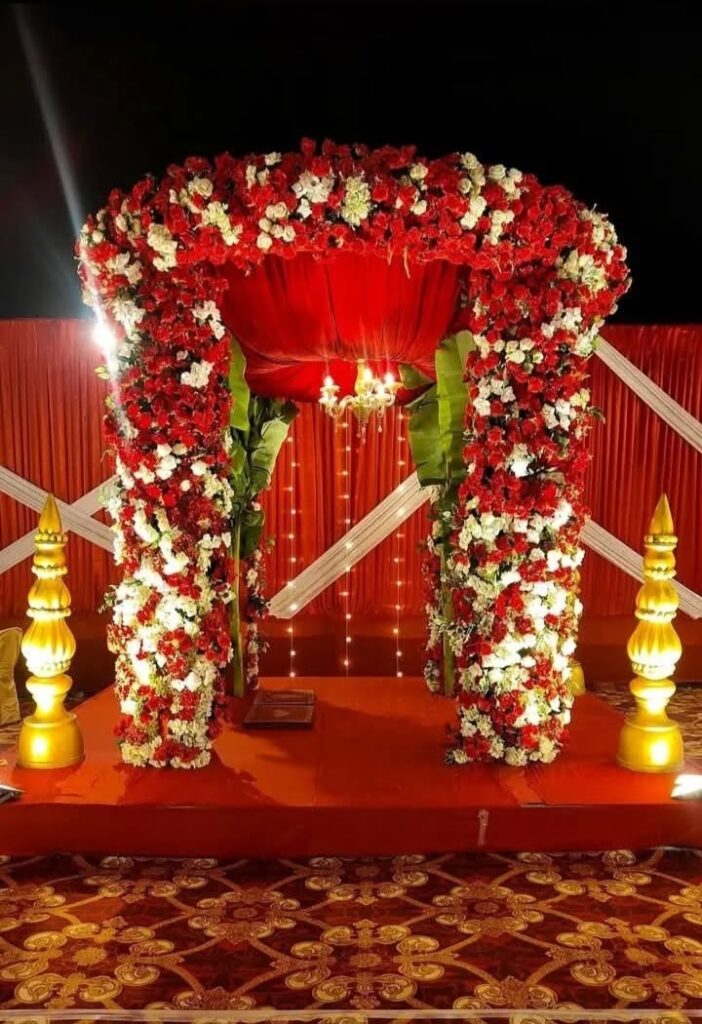
Most importantly, decide what your event needs to achieve. A corporate event may prioritise branding and guest networking, while a private celebration may focus on décor, entertainment, and photography. Therefore, your spending should support the purpose of the occasion.
At Oikar Events, thoughtful event planning starts with practical budgeting. Our approach focuses on coordinating décor, production, and event requirements around the client’s priorities. As a result, organisers can make better choices while keeping spending under control.
Final Thoughts
In conclusion, a successful event does not require unlimited spending. Instead, it requires planning, prioritisation, transparent quotations, and regular budget tracking. By avoiding hidden-cost surprises, rushed bookings, uneven spending, and unclear priorities, you can create a smoother event planning experience.
FAQ
What is the biggest Event Budget Planning mistake?
Ignoring smaller expenses is one of the biggest mistakes because several minor charges can quickly increase the final cost to avoid budget mistakes to avoid when planning an event
How much contingency should an Event Budget Planning include?
A contingency of about 10% to 15% is generally useful for unexpected expenses, last-minute requirements, or price changes.
How can Oikar Events help with event budgeting?
Oikar Events can help coordinate décor, production, and related requirements according to your priorities and planned spending.